Containers make it easy to ship software quickly, and equally easy to ship it insecurely. A container image that works on a laptop often carries far more privilege and attack surface than production needs.
Start With the Image
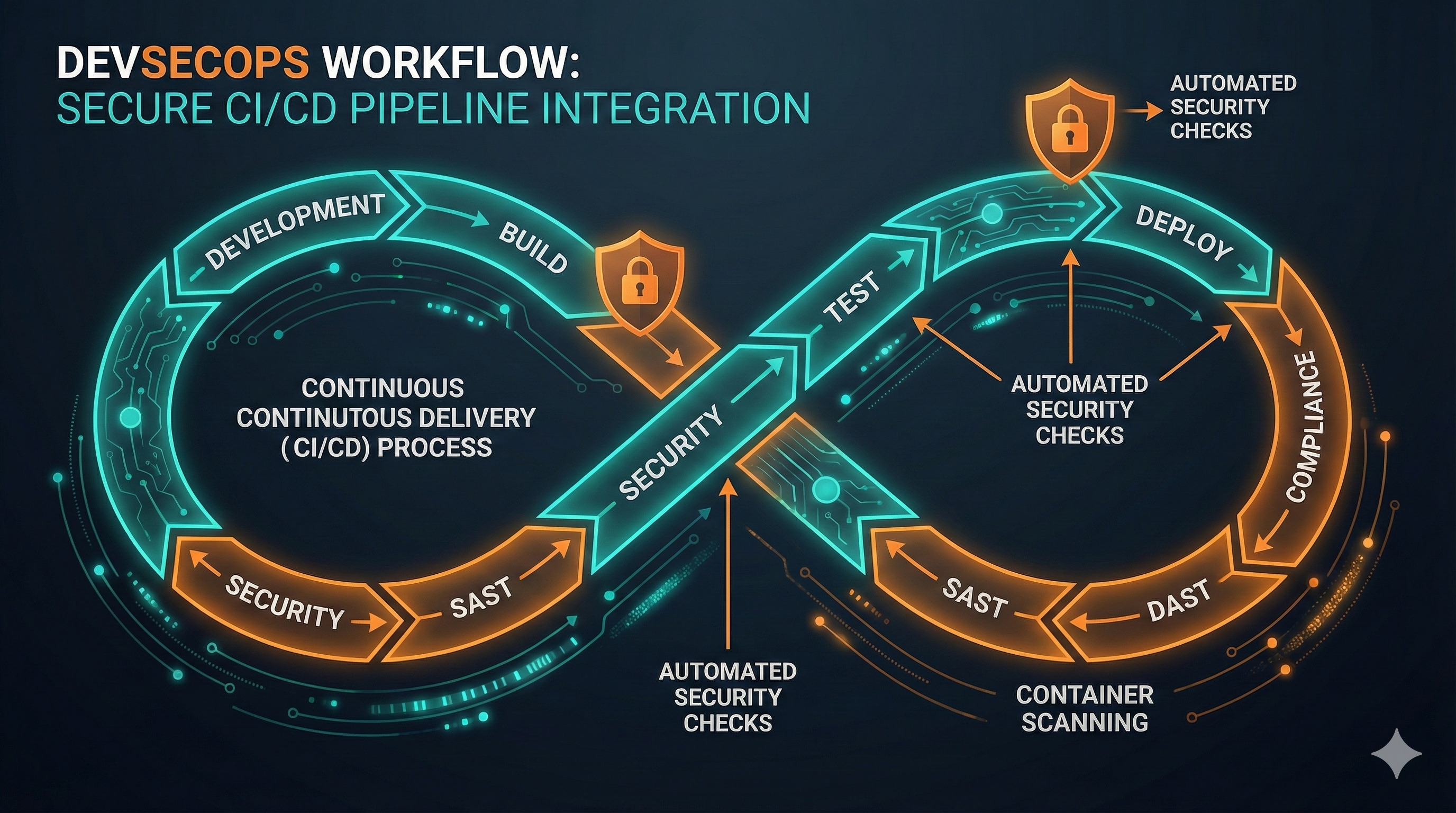
Build from minimal base images such as distroless or alpine variants, run processes as a non-root user, and enable a read-only root filesystem where possible. Scan every image in CI for known vulnerabilities, and rebuild regularly: an image that passed scanning six months ago is no longer clean. Use multi-stage builds so compilers and package managers never ship to production.
Lock Down the Runtime
Enforce security contexts in Kubernetes: drop unneeded Linux capabilities, forbid privilege escalation, and set resource limits so a compromised workload cannot starve its neighbors. Network policies should default-deny and allow only the traffic a service actually needs. In most clusters we assess, east-west traffic is wide open, which turns one compromised pod into lateral movement across the estate.
Manage Secrets Properly
Secrets baked into images or environment variables leak through registries, logs, and incident dumps. Use a dedicated secrets manager with short-lived credentials, and rotate them automatically. Scan your registries and Git history for accidentally committed credentials; they are more common than teams expect.
Secure the Pipeline
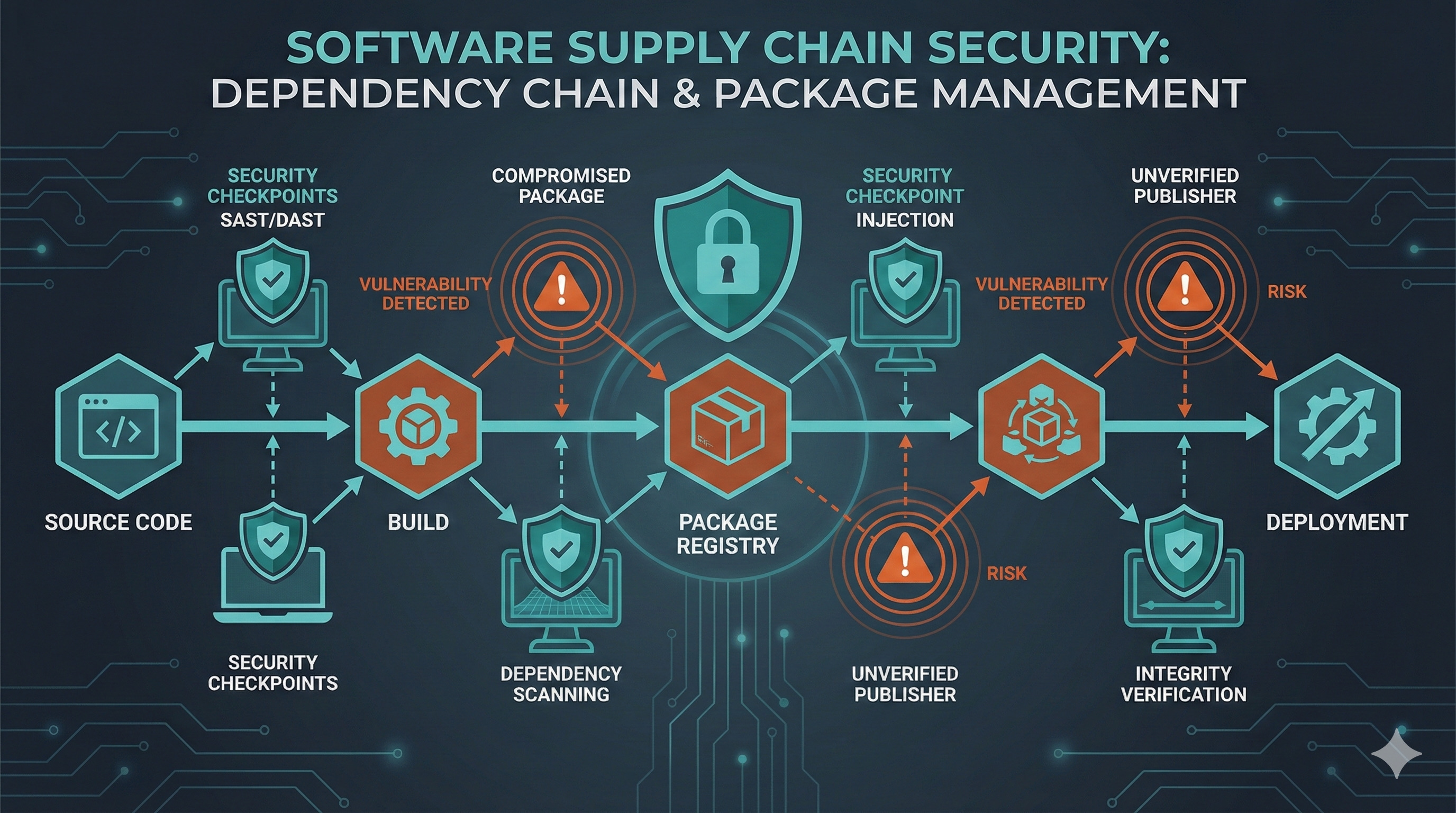
The CI system that builds your images holds the keys to production. Pin build tools, use ephemeral build runners, sign images, and verify signatures at admission time so only artifacts produced by your pipeline can run in your cluster.
Monitor the Runtime
Runtime security tooling that baselines normal container behavior catches what static scanning cannot: a package manager calling home, a shell spawned in a web container, an unexpected outbound connection. Alert on those deviations, not just on CVE counts.
Conclusion
Container security is layered: image hygiene, runtime restrictions, secrets management, pipeline integrity, and runtime detection. If you want a production cluster that would survive a real attack rather than a checklist audit, our team can help.