Attackers increasingly target the software supply chain rather than individual victims. By compromising a single vendor, package, or build system, they inherit trusted access to thousands of downstream organizations. SolarWinds, Log4j, and repeated malicious-package campaigns on npm and PyPI all followed this pattern.
Why Supply Chain Attacks Work
Modern software is assembled, not written. A typical application pulls in hundreds of open-source dependencies, built by CI systems, deployed through infrastructure that itself depends on third parties. Every one of those links is a trust decision, and most organizations never made those decisions consciously. Attackers exploit exactly that: implicit trust in code you did not write and builds you did not verify.
The Main Attack Vectors
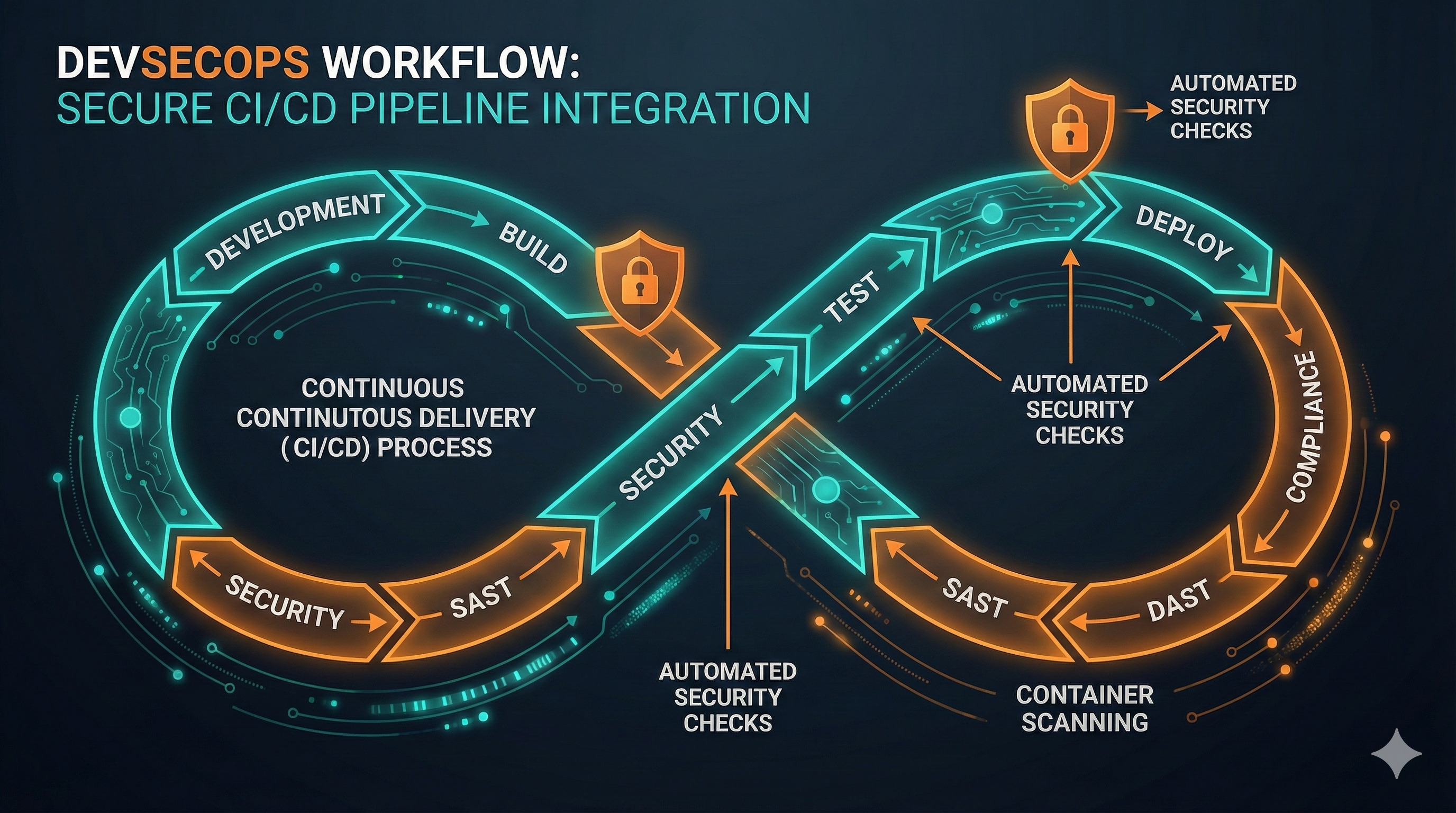
Dependency confusion and typosquatting on public registries, compromised maintainer credentials, poisoned build pipelines, tampered CI/CD plugins, and malicious updates pushed through legitimate update channels. Each vector targets a different link, so a defense that covers only one will always leave a gap.
Practical Defenses
Pin and mirror your dependencies through a private registry proxy, and reject new versions until they are reviewed. Generate a Software Bill of Materials (SBOM) for every build so you can answer "are we affected?" in minutes, not weeks, when the next Log4j lands. Require signed artifacts and verify signatures at deploy time. Apply the principle of least privilege to build systems, which are high-value targets that usually hold long-lived cloud credentials.
Vendor Risk Counts Too
Your supply chain extends beyond code. Assess the security posture of SaaS vendors, request their SBOMs and penetration test summaries, and scope third-party integrations so a compromised vendor cannot pivot freely into your environment.
Conclusion
You cannot stop trusting third-party software, but you can make that trust explicit, verified, and revocable. Our DevSecOps team helps organizations harden their pipelines end to end.